Sam Altman: Open AI and the Promise – and Peril – of Ethical AI
Sam Altman is one of the most consequential figures in the world of technology today. As the CEO and co-founder of OpenAI, he has helped steer the evolution of artificial intelligence from a niche research pursuit to a mainstream global force reshaping everyday life. Under his leadership, OpenAI released influential models like ChatGPT and has continually pushed the boundaries of what AI can do. But with that influence come responsibility – and controversy.

The Rise of OpenAI and AI Innovation
OpenAI’s mission has been clear from the start: build advanced AI that can improve human lives and solve some of the greatest challenges we face. AI models such as ChatGPT have been widely adopted for tasks from education and writing assistance to coding help and business automation. These breakthroughs reflect meaningful processes towards the company’s long-term vision of highly capable AI systems. Altman has even described the transformative potential of these technologies, not just for efficiency but for tacking major issues like health and climate challenges.
However, something Altman has often emphasized – including in conversations with policymakers and the public – is that AI isn’t without risks. He has openly acknowledged concerns about how quickly AI is advancing, the societal impacts it might have, and the need for robust safety frameworks.
Ethical Challenges and Leadership under Scrutiny
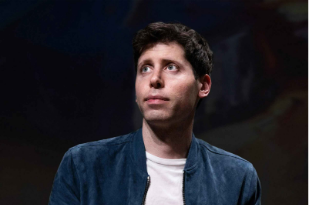
Altman’s approach to AI reflects a tension many technologists face: pushing forward innovation while trying to prevent harm. In conversations about AI regulation, he has urged lawmakers to establish rules governing powerful AI models to minimize misinformation, job displacement and other potential harms.
OpenAI has also faced criticism over various issues – from model behavior choices to the question of whether it’s truly democratic in how it develops and shares technology. There are debates about transparency, data usage and whether the benefits of AI are equitably distributed.
Altman himself has said that certain decisions about how AI interacts with humans – especially in “sensitive situations” – are harder than they look because even small choices can have big impacts.
Why Ethical Use of AI Must Be Central
There’s a broader lesson here that extends beyond any one leader or company: AI technology should be embraced – but only if used ethically and responsibly.
And here’s way:
Ai has a profound influence on society. Tools like ChatGPT are used by millions every day, affecting how people learn, work and communicate. That influence carries both opportunity and risk.
Unchecked use can deepen inequality. Without thoughtful policies, AI could amplify biases, concentrate power among the few and disrupt job markets unevenly.
Safety and human wellbeing must guide deployment. Tech leaders and governments must prioritize frameworks that protect users’ privacy, mental health and autonomy as AI systems become more integrated into daily life.
If we treat AI as just a tool for automation or profit, we miss the chance to harness it for deeper good. But if we center ethical considerations – transparency, fairness, accountability and human wellbeing – then AI can be a force multiplier for positive change.
Looking Forward: Opportunity on an Ethical Foundation
Sam Altman and OpenAI are playing a pivotal role in shaping tomorrow’s technological landscape. While debates about regulation, transparency and AI governance continue – and rightly so – one thing is clear: ethics should not be an afterthought in AI development.
Responsible innovation doesn’t slow progress – it ensures progress benefits everyone.